
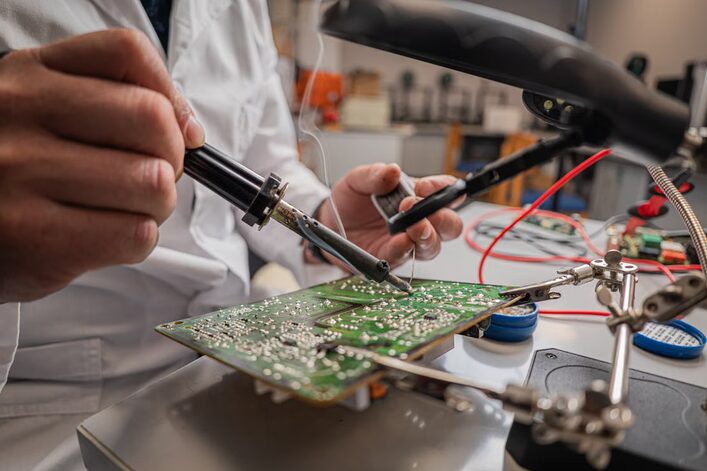
How Silicone Caps Support Safer and More Reliable Electronic Devices
Modern electronic devices need protection as much as they need performance. Small components can be affected by dust, moisture, vibration, heat, and accidental contact. Silicone caps offer a simple way to protect exposed areas while supporting dependable operation. Made from flexible silicone materials, these covers can fit over connectors, terminals, switches, openings, and other sensitive points. Their flexibility allows them to work in compact assemblies without adding complex structures. Silikonkappen zur thermischen Anbindung can also be considered in applications where silicone-based components support thermal connections and protection. As electronics become smaller and more demanding, practical protective parts such as silicone caps can help manufacturers build devices that remain reliable under everyday conditions.
Protecting Sensitive Connections
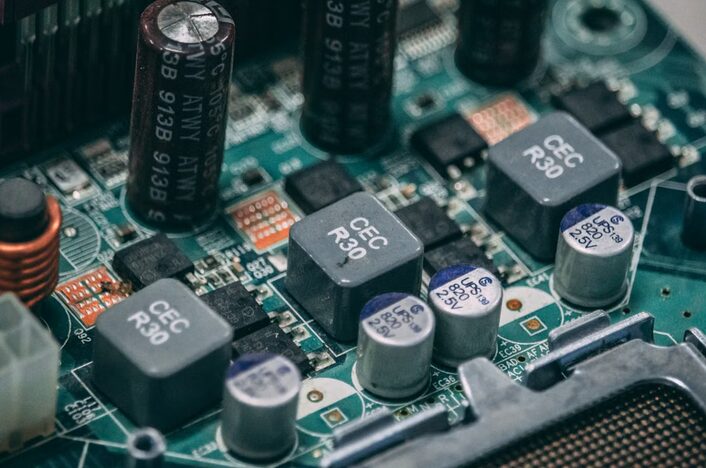
Electronic connectors and terminals can become vulnerable when they are exposed to the surrounding environment. Dust may collect around contact points, while moisture can create conditions that lead to corrosion or electrical problems. Silicone caps can cover these areas when they are not in use. This physical barrier helps limit unwanted exposure and keeps sensitive connection points cleaner. They can also simplify storage and shipping by covering parts that might otherwise remain exposed. In equipment that is frequently handled, the cap can also reduce the chance of accidental contact with exposed parts. Such protection is useful in consumer electronics, industrial controls, automotive systems, and communication equipment.
Reducing Environmental Exposure
Electronic devices may operate in environments that are far from ideal. Manufacturing floors can contain particles, while outdoor equipment may face humidity, rain, and changing temperatures. Silicone is useful for protective applications because it can remain flexible across a broad range of conditions. A properly fitted cap helps shield an opening from common environmental contaminants. This does not make a device completely sealed or waterproof, since overall protection depends on the complete enclosure design. Still, reducing exposure at vulnerable points can contribute to better long-term device performance.
Supporting Mechanical Protection
Protection is not limited to moisture and dust. Electronic parts can also face bumps, vibration, pressure, and repeated handling. A silicone cap provides a soft layer around the area it covers. This can help reduce direct contact between a sensitive feature and nearby objects. The material can also absorb some minor mechanical impact because of its flexible nature. In equipment that is assembled, transported, serviced, or used regularly, this added layer can help reduce unnecessary wear. It can be a small component with a useful role in the overall protection strategy.
Improving Electrical Safety
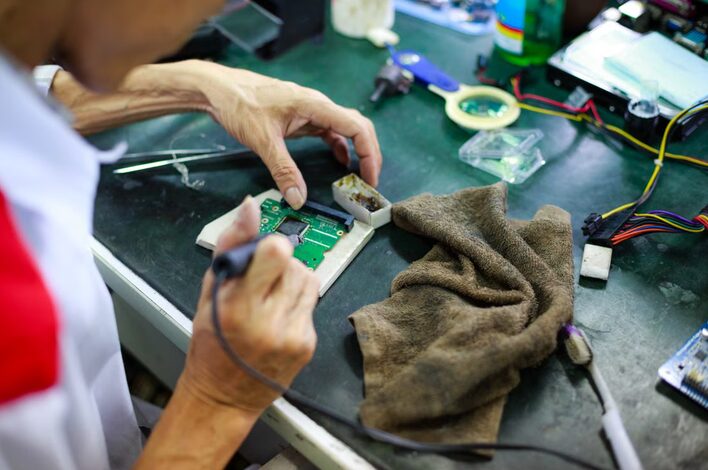
Some electronic assemblies include exposed terminals or conductive areas that should not be touched or allowed to contact nearby objects. Silicone caps can provide physical separation around these points. Depending on the material and product design, silicone may offer electrical insulation that helps reduce the risk of unintended contact. The cap must still be selected for the specific voltage, temperature, and application requirements. Proper sizing matters as well. A loose cap may shift during use, while an overly tight one may be difficult to install or remove. Good fit and suitable material properties are important for dependable protection.
Supporting Long-Term Reliability
Reliable electronics depend on many small design decisions. A protective cap cannot solve every environmental or electrical challenge, but it can address specific risks at exposed points. By limiting contamination, reducing contact, and providing a flexible protective layer, silicone caps can support the service life of electronic assemblies. Their resilience also makes them useful in applications where components may experience repeated movement or temperature changes. Manufacturers can select different shapes, sizes, and material grades to match particular products. This flexibility makes silicone caps practical for both standard and specialized electronic designs.
Choosing Suitable Silicone Caps
Selecting the right cap involves more than finding a piece that fits. Designers need to consider dimensions, material hardness, temperature range, chemical exposure, electrical requirements, and expected operating conditions. The cap should maintain its shape and protective function throughout normal use. Installation also deserves attention. A design that allows easy placement and removal can make maintenance more efficient, especially when technicians need regular access to connectors or terminals. Consistent manufacturing is equally important because variations in dimensions can affect fit. When these factors are considered together, silicone caps can provide a straightforward protective solution for modern electronics.
As electronic products continue to become smaller and more connected, protecting vulnerable areas remains important. Silicone caps offer flexible coverage for connectors, terminals, openings, and other exposed features. They can help reduce environmental contamination, mechanical wear, and unwanted electrical contact. Their value comes from fitting a simple protective function into increasingly compact designs. When properly selected and applied, silicone caps can support safer operation and more dependable electronic devices. They are not a replacement for complete enclosure or safety engineering, but they can be an effective part of a broader protection strategy.